Empowering Survivors: Navigating the Cancer Journey with Hope and Support
Navigating the choppy waters of a cancer diagnosis can often feel like setting sail on a stormy sea. As you embark on this journey, the waves of uncertainty and fear may crash around you, but within you lies an immense reservoir of hope. Harnessing this hope is crucial for not only your emotional well-being but also your physical recovery. In the ever-evolving world of oncology news, we are constantly reminded that hope is not just a feeling; it's a lifeline that can guide survivors on their healing journey. So, armed with knowledge, support, and resilience, how can you light the way during this challenging time?
First and foremost, understanding the landscape of cancer is incredibly empowering. Many survivors find solace in cancer education; learning about their specific type of cancer, the treatment options available, and the latest cancer statistics can demystify the experience and provide a sense of control. Did you know that cancer survival rates have steadily increased over the past few decades thanks to advancements such as immunotherapy for cancer? Keeping abreast of developments in clinical trials for cancer can also open up new pathways for treatment. This knowledge transforms fear into action, allowing you to take the reins on your cancer journey.
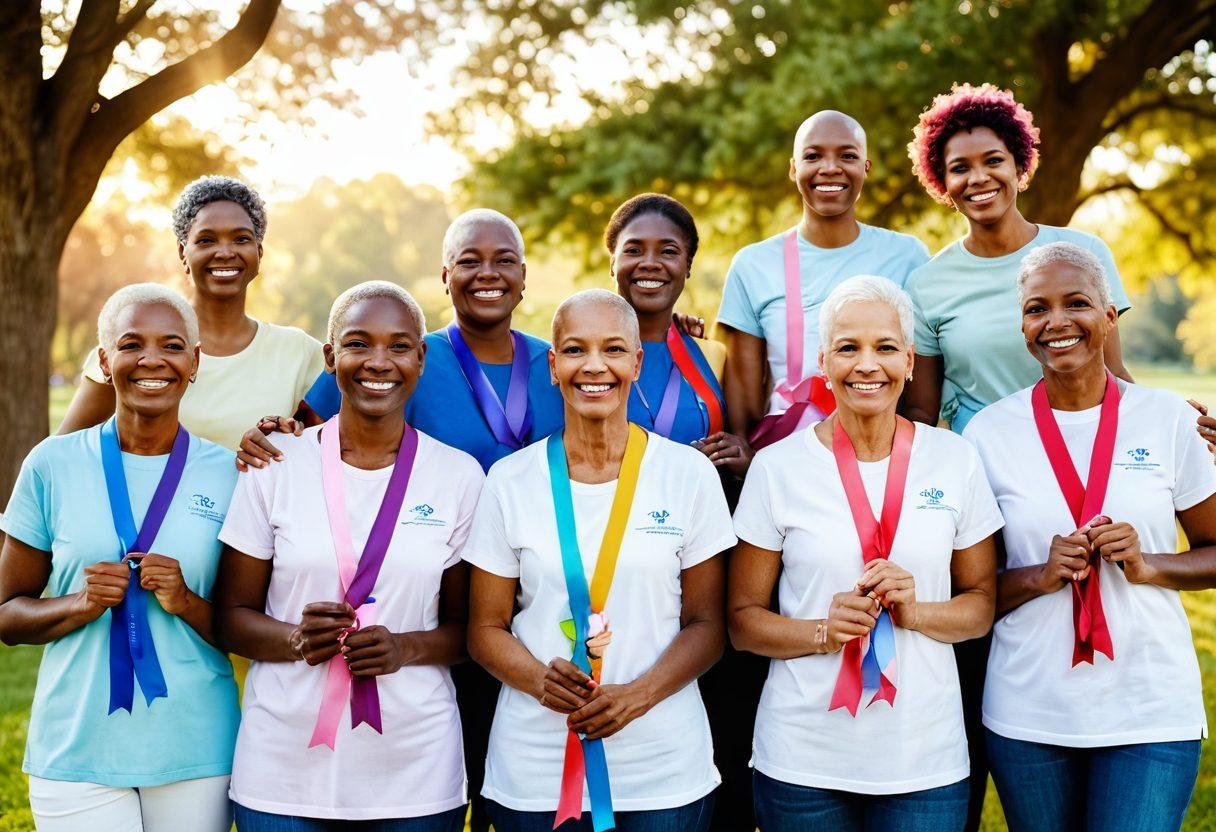
But knowledge alone isn't enough to navigate the emotional turbulence that comes with living with cancer. The importance of mental health and cancer cannot be overstated. Studies show that a positive mental outlook can significantly impact your recovery. Consider joining a support group for cancer patients; sharing your story and hearing from others who are on similar paths can foster a sense of community. Sometimes, it's not about finding all the answers but being surrounded by those who understand your journey. As Helen Keller famously said, "Alone we can do so little; together we can do so much."
Integrative oncology approaches, which combine conventional and alternative medicine for cancer, are gaining traction for their holistic benefits. Practices such as yoga, meditation, and even nutritional changes can complement traditional cancer therapy. Making cancer lifestyle changes, like adhering to a balanced diet or engaging in regular physical activity, can strengthen your body and uplift your spirit. How about trying a new recipe or exploring a new form of exercise? These small steps can lead to significant improvements in your quality of life during treatment.
Lastly, don’t underestimate the power of caregiver support for cancer patients. Your caregivers are an integral part of your journey, providing emotional and physical assistance that can sometimes go unnoticed. Encourage open communication about your feelings, fears, and triumphs. Together, you can face the challenges of cancer head-on, transforming the experience into one of shared strength and resilience. As we celebrate the highs and navigate the lows, remember that the road may be long, but the destination can be filled with hope, healing, and community.
Building a Support Network: Navigating Patient Advocacy and Community Resources in Cancer Care
In the labyrinthine world of cancer care, where every twist and turn can feel like a daunting challenge, the significance of a strong support network cannot be overstated. Imagine standing on a treacherous cliff, the winds of uncertainty swirling around you, but instead of feeling isolated, you have a community clinging to your back, anchoring you with hope. Building a support network in the cancer journey is akin to creating your own lighthouse—guiding you through the fog with illuminating resources, steadfast friendships, and an unwavering sense of belonging. So, how do you begin drafting a blueprint for this vital support system?
First, let’s unravel the importance of patient advocacy. Advocacy means not just making your voice heard, but amplifying the voices of others within the cancer community. Engaging in oncology news helps keep you informed about the latest cancer statistics, therapeutic advances, and even innovative cancer prevention strategies. What if you could harness this knowledge to not only advocate for your own care but also empower others? Whether this means discussing clinical trials for cancer treatment or sharing insightful articles on integrative oncology, every piece of information can bolster your journey and the journeys of those around you.
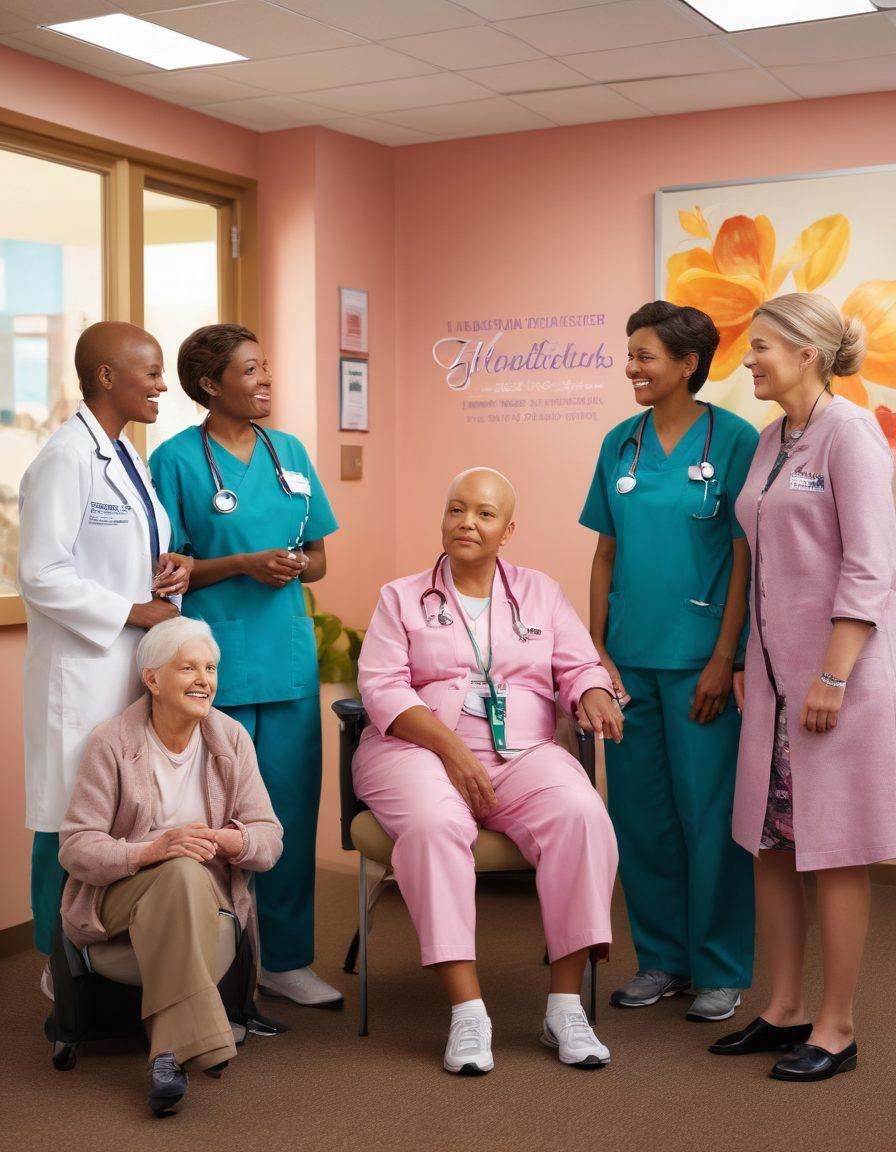
Support groups for cancer patients can serve as a sanctuary amid the chaos. Picture sitting in a room filled with people who truly understand the weight of your journey—the laughter, tears, and shared experiences create bonds that can only be forged in the crucible of living with cancer. Here, conversations flow about mental health and cancer, touching upon the emotional toll this disease can impose. Did you know that having a support group can significantly enhance cancer survival rates? The safety nets created by these connections can lead to healthier coping mechanisms and lifestyle changes that ultimately contribute to a positive outlook on life.
In the ever-evolving landscape of cancer care, community resources often emerge as vital lifelines. From local wellness programs that focus on holistic approaches to cancer, including dietary changes and alternative medicine for cancer, to palliative care for cancer that emphasizes comfort rather than mere treatment—every resource offers a unique perspective on care. Have you explored the services offered at your local cancer center? Hospitals often provide educational workshops on everything from nutrition to managing symptoms of cancer, creating pathways for knowledge that can empower you and your loved ones.
Lastly, don't underestimate the power of caregiver support for cancer patients. Caregivers navigate the cancer journey alongside their loved ones, often facing their own set of challenges and emotional hurdles. Providing resources for caregiver support is essential; think workshops on stress management or simple coffee meet-ups. In this intricate tapestry of cancer care, every thread counts. Remember, by building your support network, you are not only enriching your own journey but also lighting the way for others. Let’s navigate this unpredictable road together, armed with understanding, empathy, and an unwavering will to thrive.
From Treatment to Triumph: Insights on Cancer Survival Rates and the Role of Mental Health
Navigating the cancer journey can feel like sailing through a storm with no clear destination in sight. Each wave of treatment brings an emotional and physical toll that can seem insurmountable. But what if we told you that there is light beyond the darkness? Survivors of cancer often emerge from the tempest not just to tell their stories but to share invaluable insights about resilience, hope, and the profound impact of mental health on their recovery. In this blog, we will explore how understanding cancer survival rates and the role of mental health can empower both patients and caregivers during this challenging journey.
When we delve into the realm of oncology news and cancer education, one statistic often stands out: over the last few decades, cancer survival rates have significantly improved due to advancements in cancer therapy and research. The American Cancer Society reports that survival rates for certain types of cancer have steadily increased, giving many patients a reason to hope. This transformation can largely be credited to innovations in treatment, the rise of clinical trials for cancer, and a surge in patient advocacy. But with this growth in survival rates comes the absolute necessity of addressing the mental health and cancer connection. How do we foster an environment of hope while grappling with the emotional rollercoaster that follows a cancer diagnosis?
Many cancer survivors will tell you that their journey wasn’t just about the treatments they received; it was also about the mental and emotional support they found along the way. Support groups for cancer patients provide a much-needed sense of community—a gathering of souls who understand, without needing to articulate the pain. Here, conversations flow freely, infused with empathy and the collective knowledge that comes from shared experiences. Can you imagine the power of discussing your fears and triumphs, and realizing that you are not alone? The strength of the cancer community lies in lifting each other up.
Let’s dive deeper into the interplay between mental health and cancer. Palliative care for cancer and holistic approaches to cancer treatment aren’t simply complementary; they are essential for an empowered recovery. This means recognizing that living with cancer often means adapting one’s lifestyle. Cancer lifestyle changes can include not just dietary shifts and exercise, but also engaging in meditation, yoga, and alternative medicine for cancer management. These practices promote mental well-being, offering a haven during turbulent times. How might your outlook change if you engaged in activities promoting both physical and mental health?
As we ponder the numerous facets of cancer survivorship, we come to a pivotal question: how can we integrate the lessons of mental health into cancer prevention strategies? This includes not just the support for patients themselves, but also the critical need for caregiver support for cancer patients. Caregivers often shoulder immense emotional weight as they navigate alongside their loved ones. Understanding the symptoms of cancer is one part of the equation, but empowering both patients and caregivers with knowledge and tools for mental resilience is where real triumph resides. Through shared experiences and community dialogues, we can cultivate an atmosphere where hope thrives, securing brighter tomorrows for those on this arduous journey.